Content Integration: Because Friday Cannot Be the Only Day for Science!
We have a confession. As elementary teachers, we know how exciting a hands-on science lesson can be. We also know the reality of a packed schedule, pacing guides, reading groups, assessments, and a to-do list that seems to multiply overnight.
Somewhere in the middle of all that, science and social studies can start to feel like guests who only show up when the schedule allows.
Sound familiar?
Megan and Kara started IntegratED with a simple idea: What if we connected the content we already teach instead of trying to squeeze in one more thing? Content integration lets us connect subjects, deepen understanding, and give students more ways to engage with their learning.
Here are eight easy ways to start.
1. Start With an Essential Question
Before you plan an activity, ask yourself, “What do I want students thinking about?”
Questions such as “How does change affect people and communities?” or “How do people solve problems?” can open doors across subjects. Students might explore change through a science experiment, a historical event, and a character in a story.
One strong essential question can cross several lessons to help students see the big picture.
2. Use Existing Texts Across Subjects
Take a second look at the texts you already use. A science article can support vocabulary, evidence analysis, and informational writing. Historical documents can lead to source analysis, discussion, and argument.
We often start with an ELA skill and search for a different text every day. Try flipping that process. Start with the content, then bring reading and writing skills into the experience.
When students know more about a topic, they have more knowledge to draw on as they read and write.
3. Connect Learning to Real-World Problems
Real life does not divide itself into subject areas. Neither should every learning experience.
Ask students to explore a local weather concern, examine how water affects a community, or investigate how people respond to natural disasters. Each topic can invite science, math, reading, writing, or social studies into the conversation.
You do not need a giant project. Start with one real question that gives students a reason to use what they know.
4. Offer Student Choice
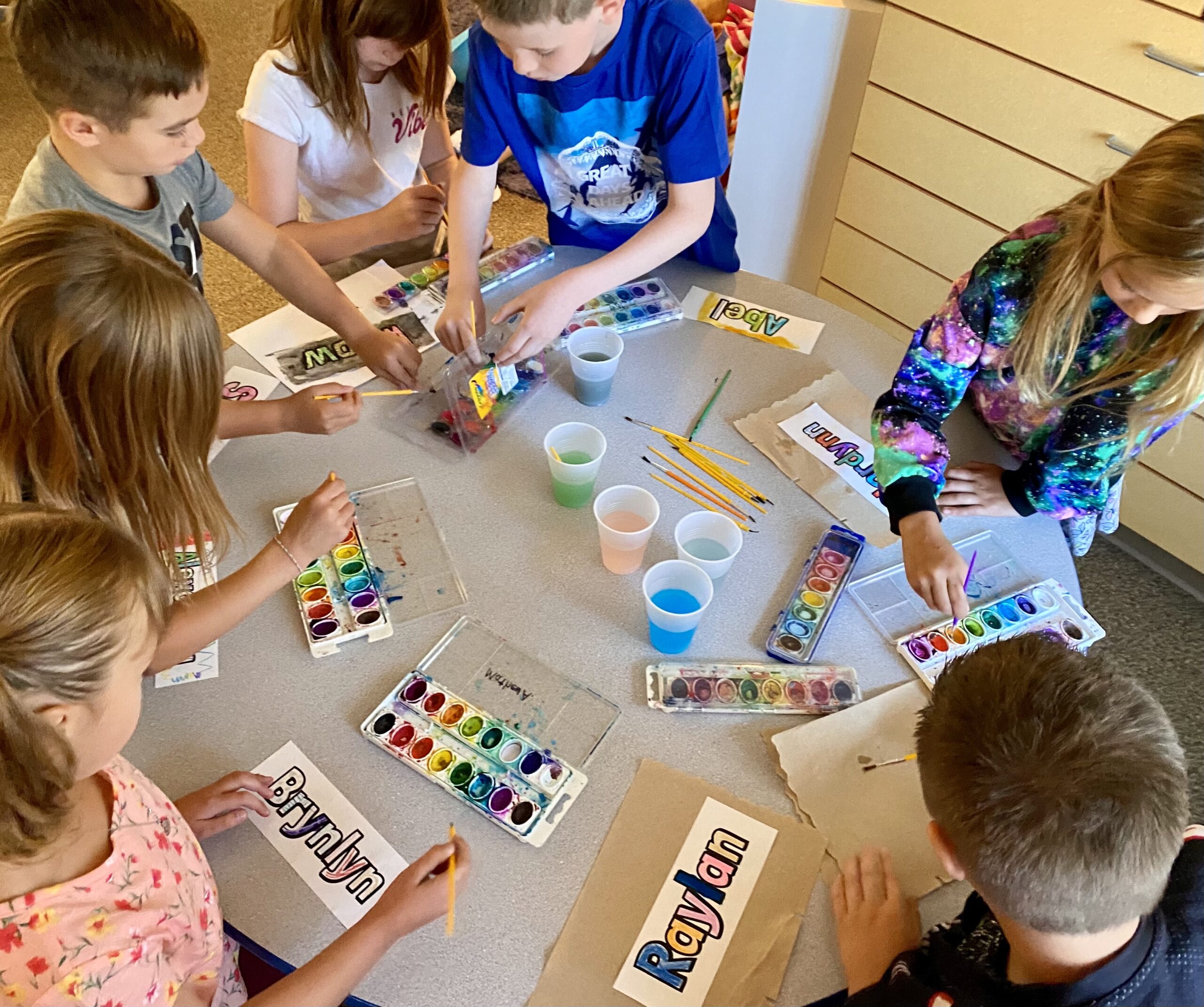
Students can show their understanding in different ways. One student might write an article, another might create an infographic, and another might record a podcast or give a presentation.
Keep the learning goal clear while offering more than one pathway to demonstrate understanding.
We always come back to this question: Are we assessing what students know, or how well they follow one particular format? Content integration gives students room to communicate their thinking while you keep the learning goal at the center.
5. Connect Common Skills Across Subjects
Students should use many of the same thinking skills in different classes. What if students could analyze data in science, examine primary sources in social studies, and evaluate an author’s argument in ELA?
Name those connections for students. Say, “You already know how to analyze evidence. Today, we are going to use that skill with a historical source.”
These moments help students recognize that their skills travel with them. They can draw on prior learning rather than start from scratch every time the subject changes.
6. Build Learning Around Themes
Look for a theme that naturally connects to the content on your calendar. Change, patterns, perspective, systems, and cause and effect can all provide useful starting points.
For example, students might explore change through weather patterns, a community’s history, and a character’s growth in literature.
The key is to look for an authentic connection. Let the learning guide the theme, and give each subject a clear purpose.
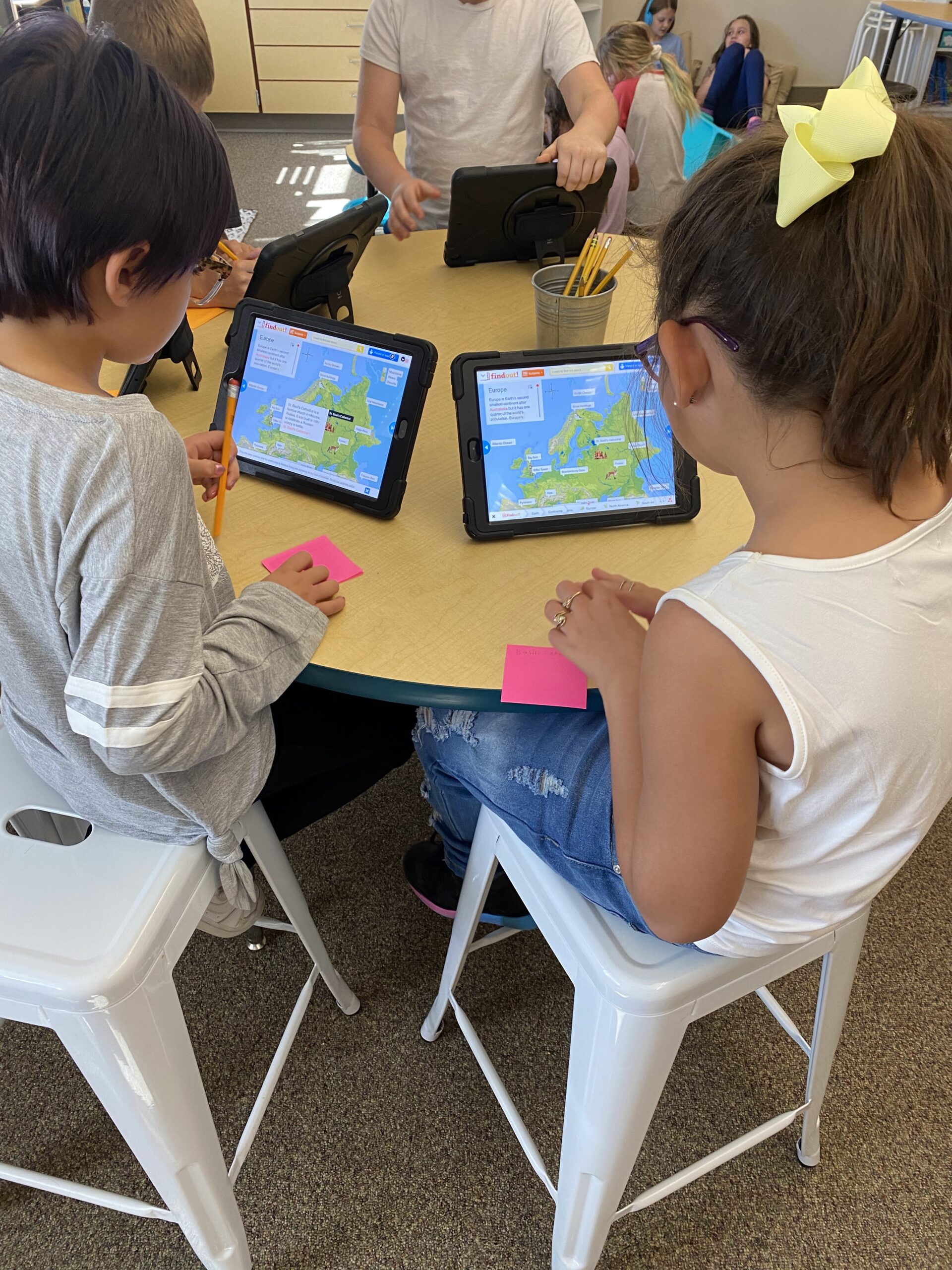
7. Use One Product to Assess Multiple Standards
Before you assign three separate tasks, pause and ask, “Could one learning experience give me evidence of more than one standard?”
For example, a student infographic about blizzard preparation could show science knowledge, research skills, vocabulary, and communication. One product can offer evidence across several learning goals when each goal has a clear place in the task.
This approach can make planning and assessment more manageable while giving students a reason to bring their knowledge together.
8. Build on Existing Learning Experiences
Before you ask, “What should I create next?” ask, “What can I build on?”
A science investigation can lead to an explanatory paragraph. That paragraph can spark a class discussion. The discussion can lead to a visual model or a real-world application.
We saw this in our second-grade erosion lesson. After students explored how wind and water move earth materials, rain and melting snow moved wood chips across the playground. Students noticed the erosion and excitedly explained what they saw.
That is the kind of connection we want: students take classroom learning into the world around them.
Content Integration Starts With One Small Shift
You do not need to redesign an entire curriculum to begin. Start with one lesson. Look at what students are learning, connect it to another idea or skill, and plan an experience that helps them see the relationship.
When educators make those connections, students gain more context, opportunities to apply their knowledge, and reasons to care about what they learn. Teachers can also bring creativity and purpose to the curriculum they already teach.
So, before you add another activity this week, take a fresh look at what is already on your plate.
What connections are hiding inside the content you teach?
You might be surprised by how much more your students can do when the learning works together.
Ready to explore how purposeful learning design can work in your school? Visit our Professional Development page to learn more about IntegratED.
Did someone say, “Freebies?”
The Connection Shift: Building Learning Through Connection
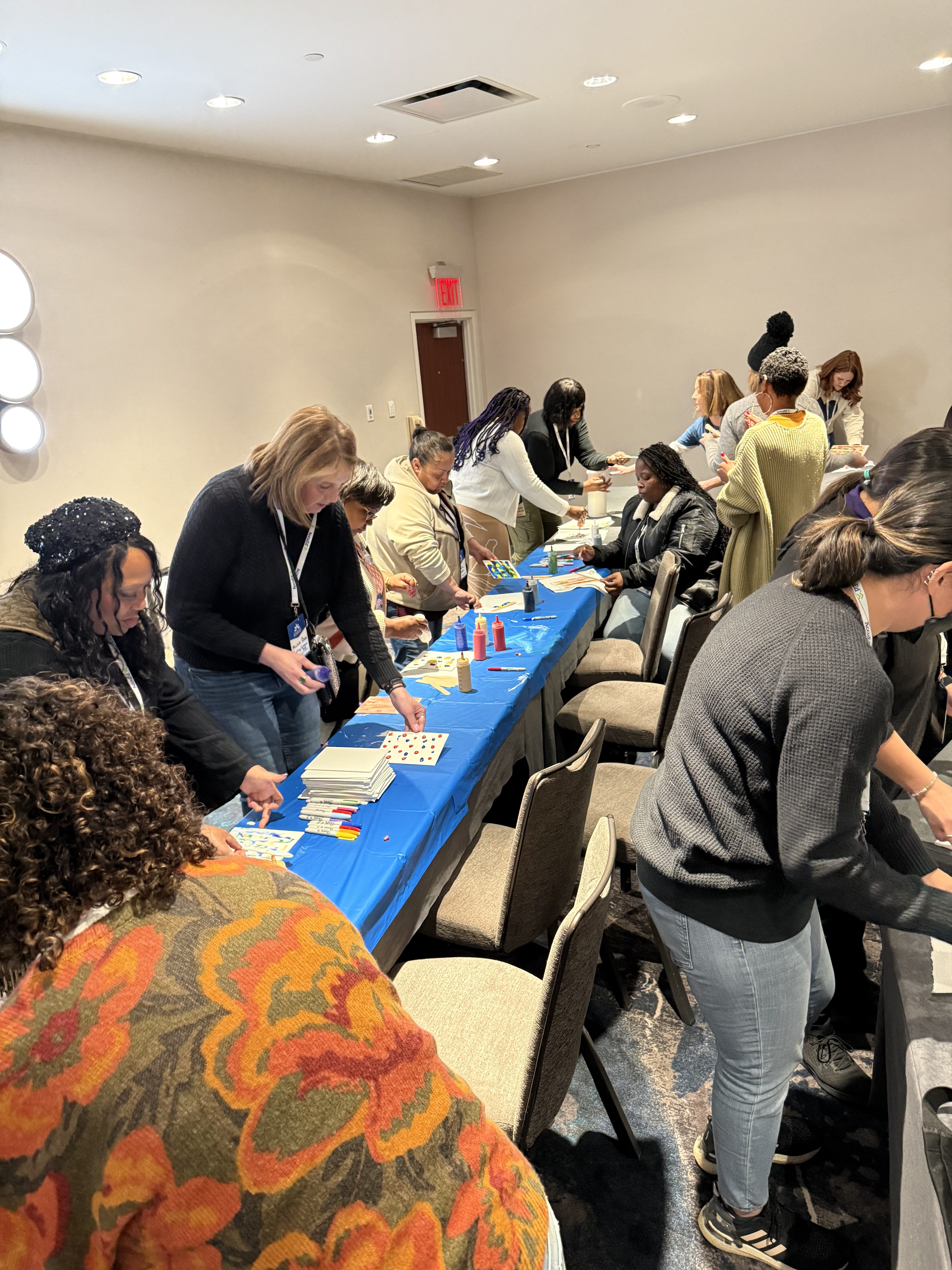
What if the key to stronger student engagement, more meaningful collaboration, and renewed educator energy starts with one thing: connection?
When classrooms feel disconnected and school teams run on empty, even the best instructional plans can lose their spark. Educators deserve more than another strategy to squeeze into an already packed day. They deserve a fresh perspective, practical tools, and the reminder that meaningful connections can transform the entire learning experience.
In this high-energy, interactive professional development session, we will explore how connection fuels curiosity, builds classroom community, and brings purpose back to teaching and learning. Together, we will uncover three powerful shifts that make a lasting difference:
- Connect with Students: Create purposeful learning pathways that invite every learner to participate, contribute, and thrive.
- Connect with Content: Design engaging, relevant learning experiences that spark curiosity and help students see why their learning matters.
- Connect with Colleagues: Strengthen collaboration through intentional conversations, shared goals, and a renewed sense of team purpose.
Participants will leave with practical, ready-to-use strategies to boost engagement, support diverse learners, and strengthen collaboration without adding more to their plates.
Get ready to rethink possibilities, reignite instructional creativity, and rediscover what makes this work meaningful because connection is more than a strategy. It is the spark that brings learning to life, strengthens school communities, and helps everyone move forward together.