
The Reality of Educator Burnout
Start with What You Love
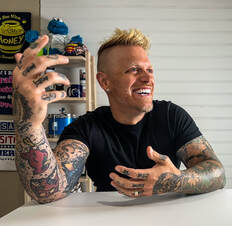
Phil calls this “injecting your energy.” When you prioritize activities that energize you (even in small bursts), you naturally bring more positivity and purpose into your classroom. That energy radiates outward, influencing how you connect with students, collaborate with colleagues, and handle the inevitable challenges of teaching.
The Power of Learning Experiences
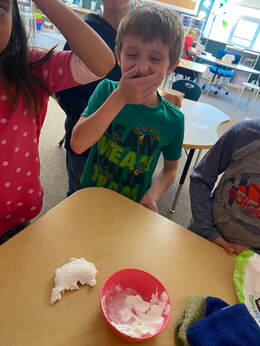
When students participate in meaningful, hands-on experiences, there is a shift in the classroom culture and climate. They become more invested, curiosity grows, and stress levels drop for everyone. Imagine replacing endless worksheets and workbooks with creative projects, movement-based activities, music integration, and storytelling! These approaches cater to diverse learning styles, spark joy, and build a sense of belonging.
Trust us, introducing the visual arts to explore science concepts, using movement to strengthen retention in history lessons, or allowing students to create podcasts to showcase their understanding, encourages deeper learning while making the process enjoyable and purposeful. When students engage through multiple pathways, they connect to the learned content on a personal level, and that transforms classrooms.
Small Shifts, Big Impact
Phil’s message is clear: thriving as an educator doesn’t require massive overhauls. It begins with small, intentional actions. These actions, when consistently applied, can lead to significant changes in your energy levels, relationships, and the overall engagement in your classroom. You have the power to make a difference, one small step at a time.
- Schedule short bursts of activities you enjoy into your week.
- Experiment with one new integrated pathway in an upcoming unit.
- Replace “rules” with collaborative classroom experiences that build shared expectations.
- Connect with colleagues to plan lessons and to inspire one another.
These micro-adjustments compound over time, leading to greater energy, stronger relationships, and more engaging classrooms.
Choose Inspiration Daily
Our Call to Educators
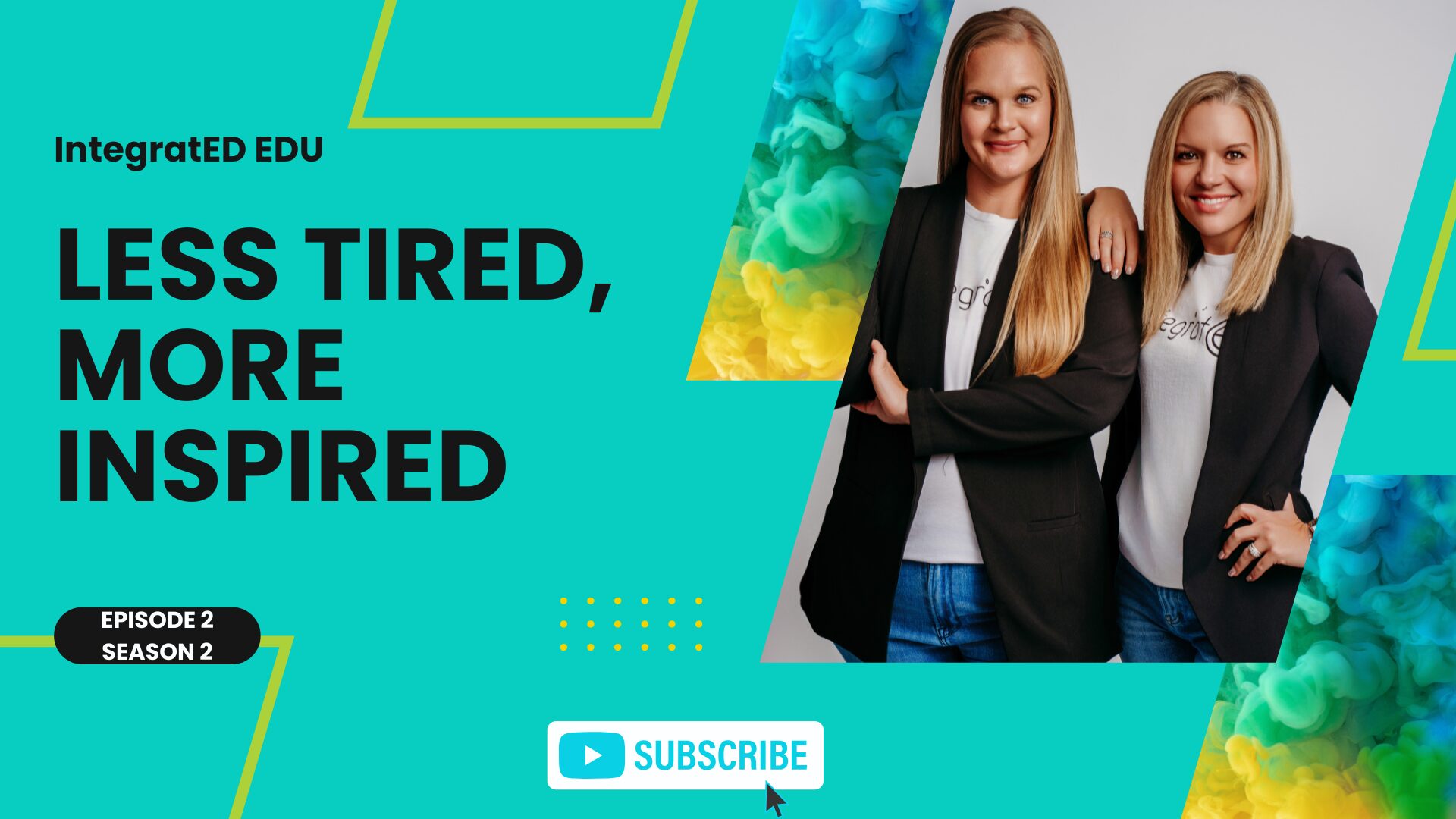
We left this conversation with Phil deeply inspired. His message is more than motivational; it is actionable and backed by experience. As educators, we cannot control every challenge in front of us, but we can control how we show up.
This year, we encourage you to:
- Reconnect with what brings you joy.
- Integrate learning pathways that make instruction more meaningful, purposeful, and engaging.
- Prioritize experiences that energize both you and your students.
When you do, you will see growth in your students and in yourself. You deserve to walk into your classroom feeling grounded, creative, and excited about the work you do.
Phil’s mantra says it all: less tired, more inspired. Let’s choose that together.
| Megan and Kara |

The Engagement Blueprint
Designing Learning That Lasts
Ever feel like you’re competing with TikTok for your students’ attention? You’re not alone. Between pacing guides, standards, and that ever-present device, it can feel nearly impossible to keep kids engaged, let alone excited to come back tomorrow. But what if engagement wasn’t about flashy gimmicks, but about designing learning that actually sticks?
In this high-engaging, practical session, we’ll show you how to use classroom learning experiences to bridge the gap between required content and real-life connections. You’ll discover how small shifts in lesson design can lead to big wins in student engagement, sustained focus, and authentic growth. Think less “going through the motions” and more “wow, that actually mattered!” It’s time to break the mold, ditch the one-size-fits-all approach, and create classroom experiences that your students (and you) can’t wait to come back to.
Are you ready to create purposeful, engaging learning experiences in your school? Let’s connect. Together, we can help your educators thrive.
Subscribe to Our Podcast!