Connection Over Control: Rethinking Classroom Management
When Classroom Management Feels Like a Broken Record
You know the sound. “Eyes forward. Voices off. Hands to yourself. Please sit down.” Then, five minutes later, we say it again. And again. And again.
We have both stood in classrooms where classroom management feels overwhelming, but focusing on intentional design shifts the focus from control to connection, making management more effective.
When we think about classroom management, we think about two things that must work together: structure and connection. You can have structure without connection. You can have connection without structure. The real power comes when both work together.
Expectations Build the Foundation for Classroom Management
Before students enter the room, we need clarity around what we want our classroom to feel like, sound like, and look like.
We often tell students, “Be respectful,” “Work together,” or “Show responsibility.” Those words sound great on a classroom wall, but students need more. They need to know what those expectations mean in this specific space.
What does respect look like during a group discussion?
What does teamwork sound like during a partner task?
What does perseverance look like when the work feels difficult?
We love when students help shape these expectations and values. When students have a voice in the process, they gain ownership of the classroom community. Then the expectations become something they experience each day, rather than words that simply hang on a wall.
Classroom Management Through Learning Design
Here is where classroom management and instruction meet.
We believe learning design has a major role in classroom management. When students see purpose in their learning, they have more reasons to engage. When students have ways to connect with content, they have more opportunities to participate.
Think about a lesson that asks students to sit, listen, copy notes, and answer questions for an extended period. Now think about a lesson that includes movement, conversation, problem solving, choice, collaboration, or hands-on work.
The learning experience can shape the energy in the room.
We want students to have opportunities to show perseverance, teamwork, responsibility, and accountability through the learning itself. That means classroom management lives inside the instructional design, not in a separate system that we pull out when behaviors rise.
The Purpose of the Learning
One question can shift the way we think about classroom management:
Why does this matter?
Students need a reason to care. When they see relevance, purpose, and connection, the work has meaning.
This matters for every age. A second grader and a senior may sit in very different classrooms, but both learners want to know why something matters.
As educators, we can ask ourselves:
What is the purpose of this lesson?
Where can students see themselves in the learning?
What experience can help the content stick?
How can students use the learning in a meaningful way?
When we plan with purpose, we create more opportunities for engagement. Engagement can support stronger classroom management because students have a reason to participate.
The Pathway Into Learning
Every student can enter learning through a different pathway.
Some students need movement, conversation, visuals, hands-on experiences, and time to reflect. Some need collaboration before they feel ready to share an idea.
That is why we talk so much about pathways and experiences.
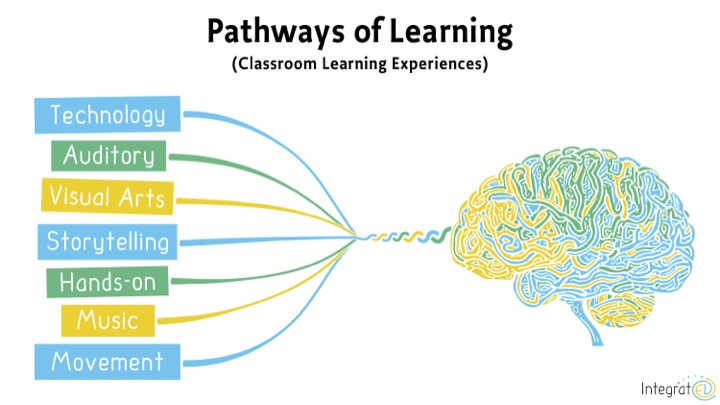
If we want classroom management to support learning, we need to consider how students enter the learning. A single pathway can create frustration or disconnection. Multiple pathways give students more ways to access the experience.
This also means we need to watch the room and make adjustments. A class may need one approach on Monday and another approach two weeks later. Every group of students brings a different set of needs, strengths, and personalities.
The Ownership of the Learning
Ownership changes the conversation.
When students have opportunities to make choices, contribute ideas, work with peers, and see their thinking matter, they become part of the learning process.
That ownership also connects to classroom values.
If teamwork is one of our values, students need chances to practice teamwork. If perseverance matters, students need meaningful challenges that require perseverance. If accountability matters, students need opportunities to take responsibility for their learning.
Then our classroom values have a purpose. They help everyone learn.
That shift matters. Instead of simply saying, “You broke a rule,” we can say, “This does not align with what we value in our classroom.” The conversation becomes about purpose, community, and learning.
Classroom Management Starts With the Physical Space
Now let us talk about the classroom itself.
We love a good Target run, new Hobby Lobby displays, or an Amazon box that arrives with something for the classroom. But the cutest classroom in the building does not automatically create the strongest learning environment.
The question is simple:
Does the space support the learning?
If students need movement, can they move?
If they need collaboration, can they work together?
If supplies create chaos, can students access them in a new way?
If independent work matters, does the space allow focus?
There is no single right classroom setup. Rows can work. Tables can work. Flexible seating can work. The key is intentionality.
We want the environment to support the instructional experience for both the teacher and the student. Leaders can support this by asking, “What type of learning happens in this space?” rather than simply asking why one classroom looks different from another.
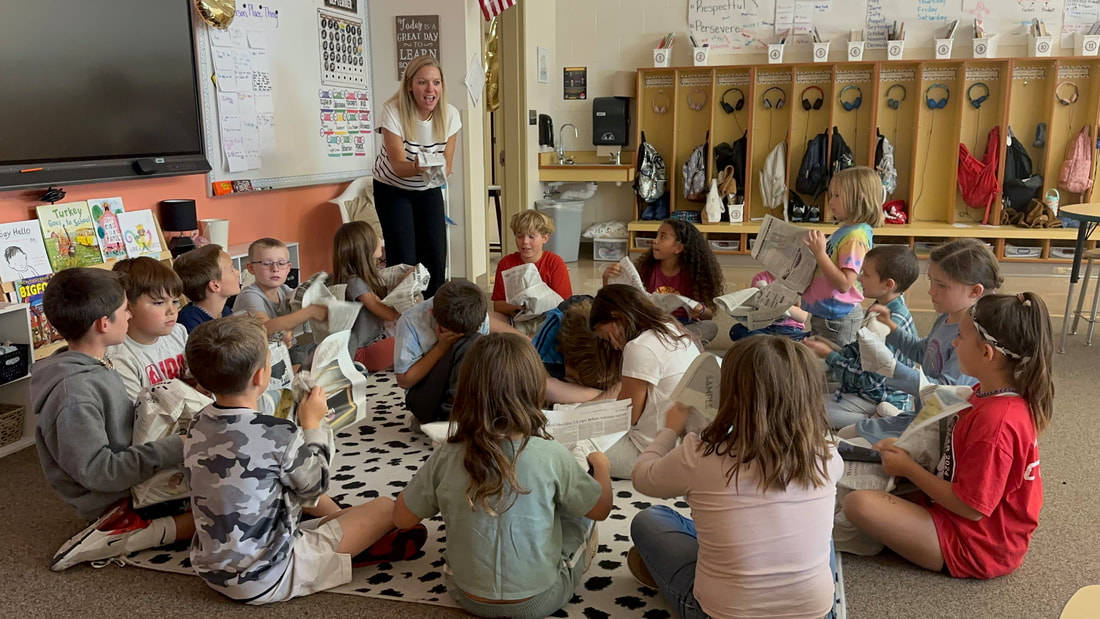
Connection Gives Classroom Management Purpose
Classroom management takes consistency, repetition, clarity, and structure.
Most of all, it takes connection.
We want students to know what we expect, why it matters, and how they can contribute to the classroom community. We want our instruction, physical space, expectations, and learning pathways to work together.
And yes, sometimes we still say, “Eyes forward. Voices off. Hands to yourself.”
We are educators. We know the broken-record life.
But when students understand the expectations, see purpose in the learning, have pathways into the experience, and feel ownership of the classroom community, classroom management becomes part of the learning culture.
That is the shift we want to see.
Connection does not remove structure. Connection gives structure purpose.

The Connection Shift: Building Learning Through Connection
Right now in education, many classrooms and teams feel the weight of disconnection. When connection is present, learning changes. In this session, you will explore how connection becomes the bridge between people and purpose, transforming both teaching and learning. Together, we will focus on three essential shifts: connecting to students through purposeful pathways, connecting to content through meaningful learning experiences, and connecting with colleagues through intentional collaboration.
You will walk away with practical, ready-to-use strategies that increase engagement, support diverse learners, and strengthen team alignment, without adding more to your plate. Because connection isn’t one more thing to do, it’s what makes everything else work.
Increase student engagement immediately by using low-prep strategies that connect every learner through purposeful pathways.
Design more impactful learning experiences by turning content into meaningful, memorable instruction…without adding extra work.
Strengthen collaborative practice by using simple, intentional planning structures that break isolation and build a connected team culture.