Let’s be honest for a moment. You delivered what you thought was a solid lesson, a new strategy, and looked out at our students, and saw a room full of polite head nods and minimal excitement. No chaos. No confusion. Just quiet compliance. Your students look… fine. Not confused. Not excited. Just fine. And we know that fine is not the goal.
Learning should feel different. It should spark curiosity, invite movement, and create moments that students remember long after the lesson ends. The shift does not require a complete overhaul. It starts with small, intentional choices that turn passive tasks into meaningful experiences. Here are five strategies that help us move student learning from simply getting through content to truly understanding it.
1. Teach the Same Standard in More Than One Way
We start with this truth. Not every student learns the same way, so educators should not teach the same way every time. When planning, consider how strategies like teaching multiple pathways and making learning visible align with your curriculum standards. This ensures that innovative practices support the required learning goals without sacrificing curriculum integrity.
Take one standard and ask yourself how students can experience it in different ways. Can they see it through visual design? Can they act it out through movement? Explain it through storytelling? Build it with hands-on materials? These are all examples of Integrated Learning Pathways in action.
When you teach the same concept through multiple pathways, you increase engagement and deepen understanding. Students find an entry point that works for them. They connect with the content in a way that sticks. This is not about doing more; It is about teaching smarter and designing with intention.
2. Make Learning Visible
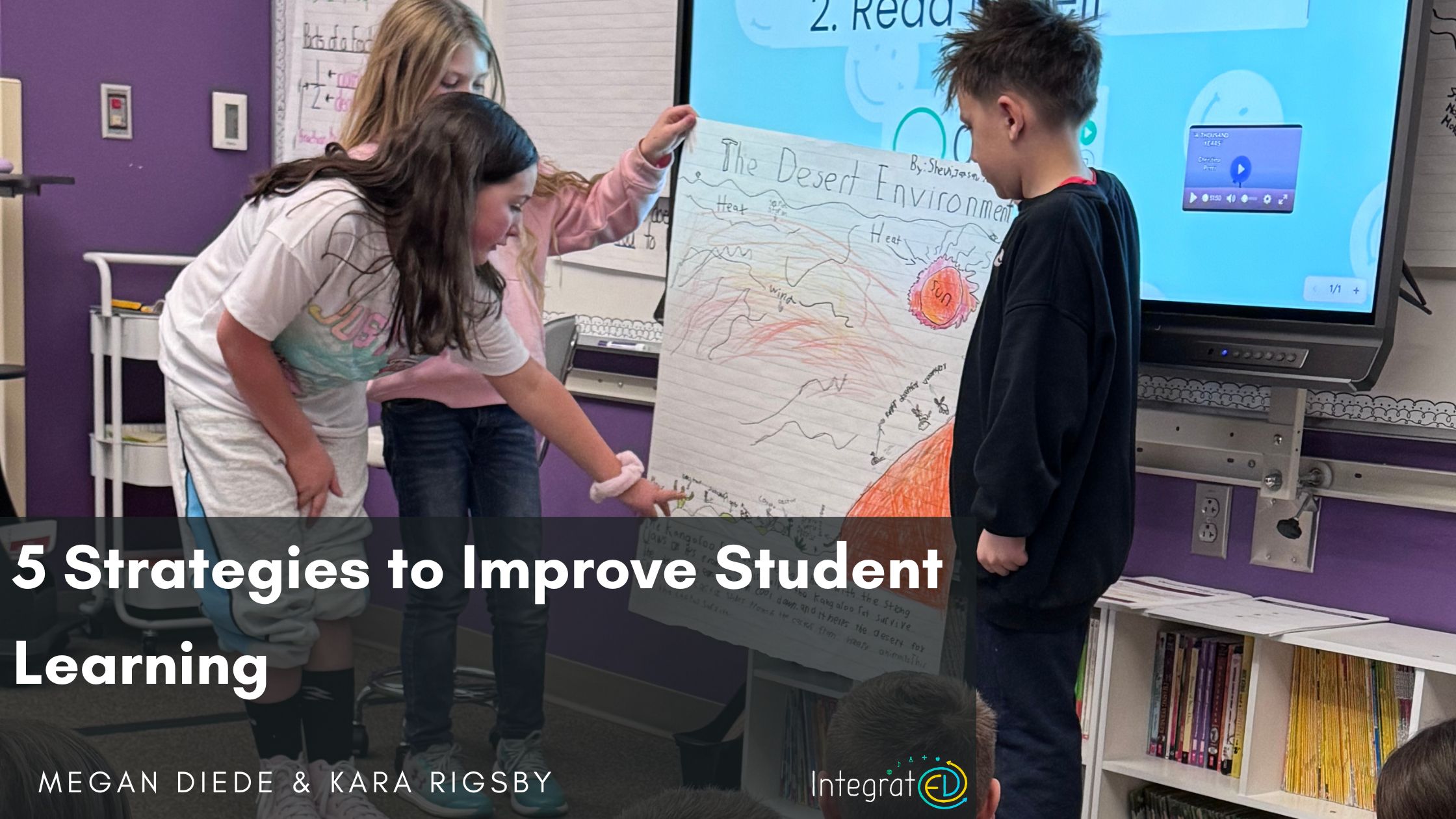
Learning should not stay hidden inside a worksheet or a digital submission. When students make their thinking visible, it can boost their confidence and motivation, help them process at a deeper level, and allow us to see what they understand.
Ask yourself, “Can I see the learning happening?” If the answer is no, redesign the task. Visible learning might look like anchor charts created by students, models built with manipulatives, group discussions, or visual representations on paper.
When students show their thinking, they take ownership of their learning. They explain, defend, and refine their ideas. A classroom culture is created where learning becomes active and shared. It also helps you respond in real time, adjust instruction, ask better questions, and support students where they are.
3. Replace One Worksheet
We are not here to eliminate every worksheet; we are here to rethink how often we rely on them. Start small. Replace one worksheet this week with an experience. Just one!
Instead of filling in blanks, students can create something. They can build a model, write and perform a short script, design a visual, or engage in a collaborative task. The goal stays the same, but the path changes, encouraging more active participation and deeper understanding.
This is where Integrated Learning Pathways shine. A simple shift can turn a passive task into an active one, fostering a classroom culture of collaboration. Students move from completing work to experiencing learning together, which often leads to higher engagement and stronger connections.
4. Build Productive Struggle into the Learning
We want students to think, problem solve, and wrestle with ideas. Creating space for productive struggle can help them develop resilience and confidence, making challenges feel more manageable and growth-oriented.
Productive struggle does not mean frustration without support. It means giving students a challenge that requires effort, persistence, and collaboration. It means stepping back at the right moment and allowing students to work through a problem before you step in.
You can design for this by asking open-ended questions, presenting real-world scenarios, or giving tasks that require multiple steps. Encourage students to talk through their thinking and learn from each other.
When students experience productive struggle, they develop resilience and confidence. They learn that effort and persistence lead to growth, building skills that extend beyond content. Genuine learning and self-confidence are cultivated.
5. Make Feedback Part of the Learning Strategy
Feedback should not come at the end of learning. It should live inside the learning process. When feedback becomes part of the experience, students can adjust, improve, and grow in real time.
Focus on timely, specific, and actionable feedback. Notes can come from the teacher, from peers, or even from self-reflection. It can happen during a discussion, while students work in groups, or as they present their ideas.
When students receive feedback during the process, they stay engaged. They see learning as a journey, not a final grade. They take more ownership and begin to understand what quality work looks like.
Relationships grow, and feedback becomes a conversation, not a correction. It builds trust and keeps students moving forward.
At the end of the day, improving student learning does not require a complete reset. It requires intentional design. When you teach through multiple pathways, make learning visible, replace even one worksheet, build in productive struggle, and embed feedback, you create classrooms where learning feels alive.
We always come back to this.
Teaching is an art.
And every day, we get the chance to design experiences that matter.
The Power of Connection: Building Learning Through Connection
When connection drives instruction, everything changes. This session moves beyond surface-level engagement and into what truly impacts student learning: meaningful relationships, purposeful design, and aligned teams. The IntegratED team brings energy, clarity, and real classroom experience to help educators reconnect with why they teach and how students learn best.
Administrators and curriculum leaders will see immediate value as teachers walk away with practical strategies that increase engagement without adding more to their workload. This isn’t another initiative to manage; it is a shift that strengthens what’s already in place by helping educators connect students to content through integrated learning pathways that meet diverse needs and learning styles.
What sets this experience apart is its immediate impact on both classroom practice and team culture. Teachers leave with ready-to-use strategies that work the very next day, from designing meaningful learning experiences to building authentic student connections and fostering collaboration among colleagues. At the same time, schools begin to see stronger alignment across classrooms as educators plan intentionally and with shared purpose.
When teachers feel connected to their students, their content, and each other, engagement rises, instruction strengthens, and school culture transforms. If you are looking to energize your staff, support diverse learners, and create lasting instructional impact, IntegratED delivers a professional learning experience that makes connection the foundation for success. Contact us today for scheduling.
Subscribe to Our Podcast!
IntegratED invites educators, curriculum directors, and administrators to join meaningful conversations that spark new ideas and practical classroom strategies. Each episode showcases engaging learning experiences, multiple pathways to student success, and inspiring stories from voices in education.
By subscribing, you gain access to fresh perspectives that help reduce stress, build creativity, and transform instruction into purposeful practice. Don’t miss the opportunity to stay connected with a community that values growth, innovation, and the joy of teaching! Subscribe today and bring inspiration into your daily work!