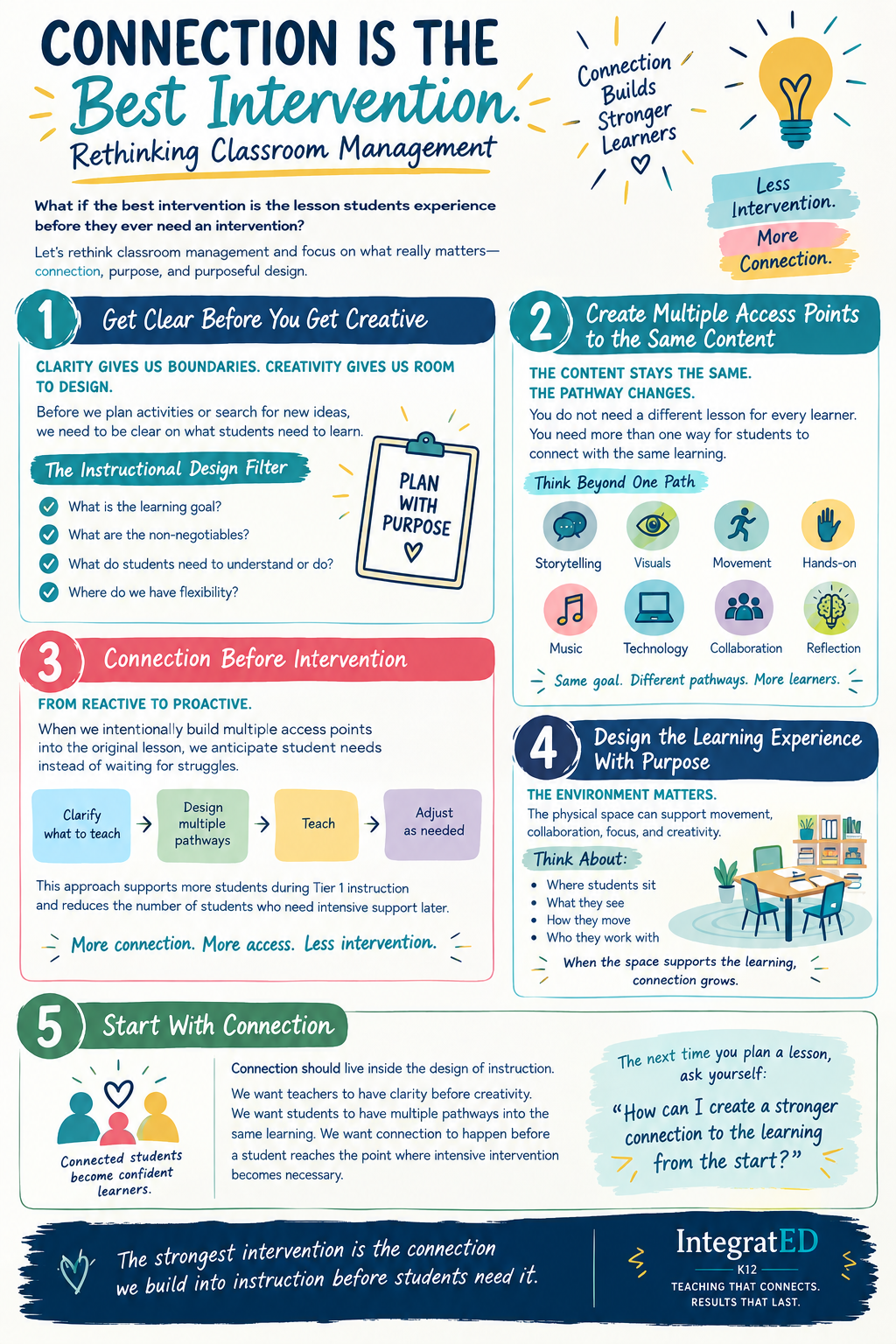
Connection Is the Best Intervention
Let’s Talk About Intervention Before We Reach for the Intervention Binder
Have you ever watched a teacher plan a lesson, pull out seventeen sticky notes, three highlighters, four tabs on a laptop, and then say, “Okay, now I need to make this engaging? And find a way for the kids to connect?”
We get it. We have both been there.
As educators, we have a lot to think about. Standards. Curriculum. Assessments. Small groups. Data. Student needs. Schedules. Meetings. The list keeps growing.
Then a student struggles, and we ask, “What intervention does this student need?”
We want to challenge that question.
What does this student need to connect with the learning in the first place?
That question changes the entire conversation around Tier 1 instruction. Strong instruction can serve as an intervention when we intentionally design learning with access, purpose, and connection at the start.
Student Connection Starts With Clarity
Before searching for the coolest activity, newest technology, or idea everyone shares online, teachers need clarity.
Ask yourself (including any co-teaching partnerships) these four questions:
- What is the learning goal?
- What are the non-negotiables?
- What do students need to understand or do?
- Where do we have flexibility?
This simple filter gives educators direction.
We both love creativity. In fact, creativity is one of our favorite parts of teaching. But creativity works best with a clear purpose. When you know the destination, you can think creatively about the route.
This is where student connection starts. Students need to understand the purpose of their learning. They need a reason to care, a reason to participate, and a clear idea of where the learning can take them.
Clarity gives teachers a foundation for purposeful design and gives students a stronger entry point into the lesson.
Student Connection Grows Through Multiple Access Points
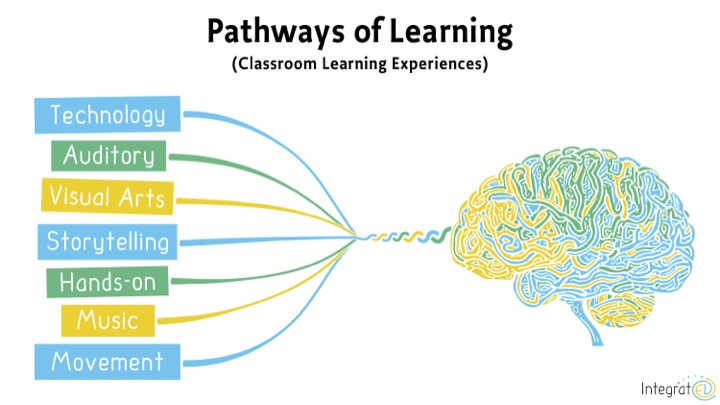
Once educators know what students need to learn, they can think about how students can enter that learning. This is where our work with multiple pathways comes into play.
Teachers often say, “I cannot create a different lesson for every student.”
We agree. You do not need to create twenty different lessons.
Instead, ask:
How can I create more than one way for students to connect with the same learning?
Maybe a lesson includes storytelling or movement. They could create a visual representation or even music! They could use technology, discussion, hands-on exploration, or collaboration.
The content can stay consistent while the pathway changes. This approach helps more students feel capable and respected, fostering inclusion and motivation while honoring the different ways students enter the experience.
Student connection becomes part of instructional design. Instructional leaders can anticipate variability and create multiple doors into the same room.
And honestly, this makes teaching fun again. Teachers get to think like designers or engineers.
What could this look like?
What could this sound like?
What could students do with this idea?
Connection Before Intervention
This is where everything comes together.
Move our thinking from: Teach → Student struggles → Intervention
To: Clarify → Design multiple pathways → Teach → Adjust as needed
This shift creates a more proactive approach to student learning.
Some students will still need intervention. Students have different needs, experiences, strengths, and challenges. That reality is education. Our goal is to give students stronger access during Tier 1 instruction so fewer students need intensive support later.
When educators create purposeful connections from the beginning, students have more opportunities to engage with the core learning alongside their classmates.
We experienced this shift in our own classrooms. When we intentionally created multiple pathways, we saw students connect with content, classmates, and themselves as learners.
That connection matters.
A student who feels connected to the learning is more likely to participate, share ideas, take risks, ask questions, and keep going when the work gets hard.
That is the power of student connection.
Design the Learning Experience With Purpose
Teachers also need to think about the environment surrounding the lesson.
- Where students sit matters.
- What they see matters.
- How they move matters.
- Who they work with matters.
The physical classroom can create opportunities for conversation, collaboration, reflection, movement, and focus.
We can…
- arrange desks with intention.
- create spaces for students to work together
- provide visual supports
- build moments for movement and reflection into learning.
Every choice can support connection. When looking at classroom design through this lens, you start to see the classroom as part of the instruction itself.
Start With Connection
This work comes back to one simple idea: embedding connection into instructional design is key to effective teaching.
Teachers need clarity before creativity. Students should have multiple pathways to access the same learning. Connection can happen before a student reaches the point where intensive intervention becomes necessary.
Strong Tier 1 instruction gives that opportunity. So the next time you plan a lesson, pause before you ask, “What intervention will this student need?”
Ask:
“How can I create a stronger connection to learning from the start?”
That question can change the lesson. It can change the experience.
And sometimes, it can change the path a student takes through school.
The strongest intervention is the connection we build into instruction before students need it.
The Connection Shift: Building Learning Through Connection
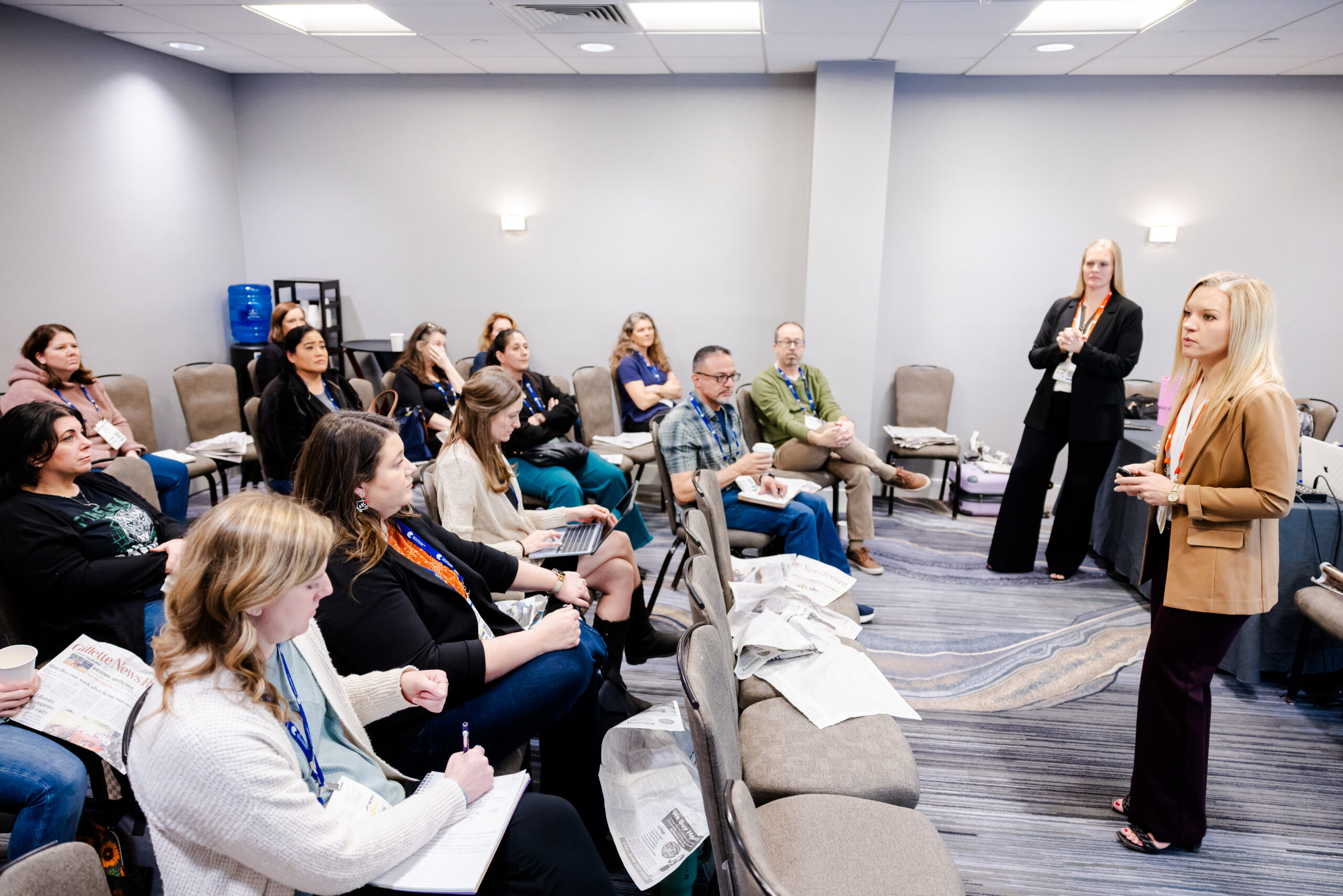
Right now, many classrooms and teams feel the weight of disconnection. Student engagement feels harder to sustain, collaboration feels rushed, and educators often feel pressured to do more while feeling stretched thin. This professional development session helps educators shift away from survival mode and back toward purposeful teaching and meaningful connections. In this high-energy and inspiring experience, participants will discover how connection transforms learning, strengthens classroom culture, and reignites purpose for both students and staff.
Through practical strategies and real classroom applications, educators will explore three essential connection shifts: connecting to students through purposeful learning pathways, connecting to content through engaging and meaningful learning experiences, and connecting with colleagues through intentional collaboration. Participants will leave with ready-to-use ideas that increase engagement, support diverse learners, and strengthen team alignment without adding more to their workload. This session is designed to energize educators, inspire instructional creativity, and remind teams that connection is not one more thing to do. Connection is what makes everything else work.
Get your copy of ElevatED Educator today!

Looking to keep momentum this school year with purpose, excitement, and clarity? You need ElevatED Educator. Our book offers practical tools, real classroom examples, and over 70 ideas for creating learning experiences that engage students from day one. It guides teachers in building classroom climate and culture through intentional content integration and multiple learning pathways (music, movement, storytelling, visual arts, and more). Rather than relying on outdated rule lists or routines, ElevatED Educator helps educators design purposeful activities that set clear expectations, spark curiosity, and encourage student ownership. Teachers leave each chapter feeling inspired and ready to implement new strategies that support both academic growth and social connection. Administrators will also find this book a valuable shared resource for professional learning communities or staff development. To bring energy and focus into your classroom or school, order your copy today at Amazon.